Gentle Pediatric Dental Care: The Benefits of Laser Dentistry and Laughing Gas
How Nitrous Oxide and Laser Dentistry Make Dental Visits More Comfortable
A gentler approach to dental care
Dental appointments can feel intimidating for children, especially when they are unsure what to expect. At Sunrise Pediatric Dentistry, we use a calm, encouraging approach and, when appropriate, options such as laughing gas and laser dentistry to help make treatment more comfortable.
Parents often ask whether laughing gas is safe, what their child will feel, and whether it can be used with laser treatment. Here’s what to know before your child’s visit.
What is laughing gas, and is it safe for children?
Laughing gas is the familiar name for nitrous oxide, a gas mixed with oxygen and delivered through a small mask over the nose. It can ease anxiety and increase tolerance for discomfort. When used alone for minimal sedation, children remain awake, breathe on their own, and can respond to the dental team.
Nitrous oxide has a long history of use in pediatric dentistry and is considered safe and effective for many children when administered by trained professionals with appropriate equipment and monitoring. It is not the right choice for everyone, however. Before recommending it, our team reviews your child’s medical history, medications, current health, ability to breathe through their nose, and treatment needs.
The effects usually begin quickly and fade within minutes after administration stops. Our team checks that your child has recovered appropriately before discharge.
What will my child feel?
Children may describe feeling calm, warm, tingly, lightheaded, or as though they are floating. Others notice only a mild change. The goal is relaxation—not sleep or unconsciousness. Your child should still be able to communicate if something feels uncomfortable.
Nitrous oxide can make dental treatment easier to tolerate, but it does not reliably replace numbing medication. Local anesthesia may still be needed for procedures that could cause pain.
How can laser dentistry help?
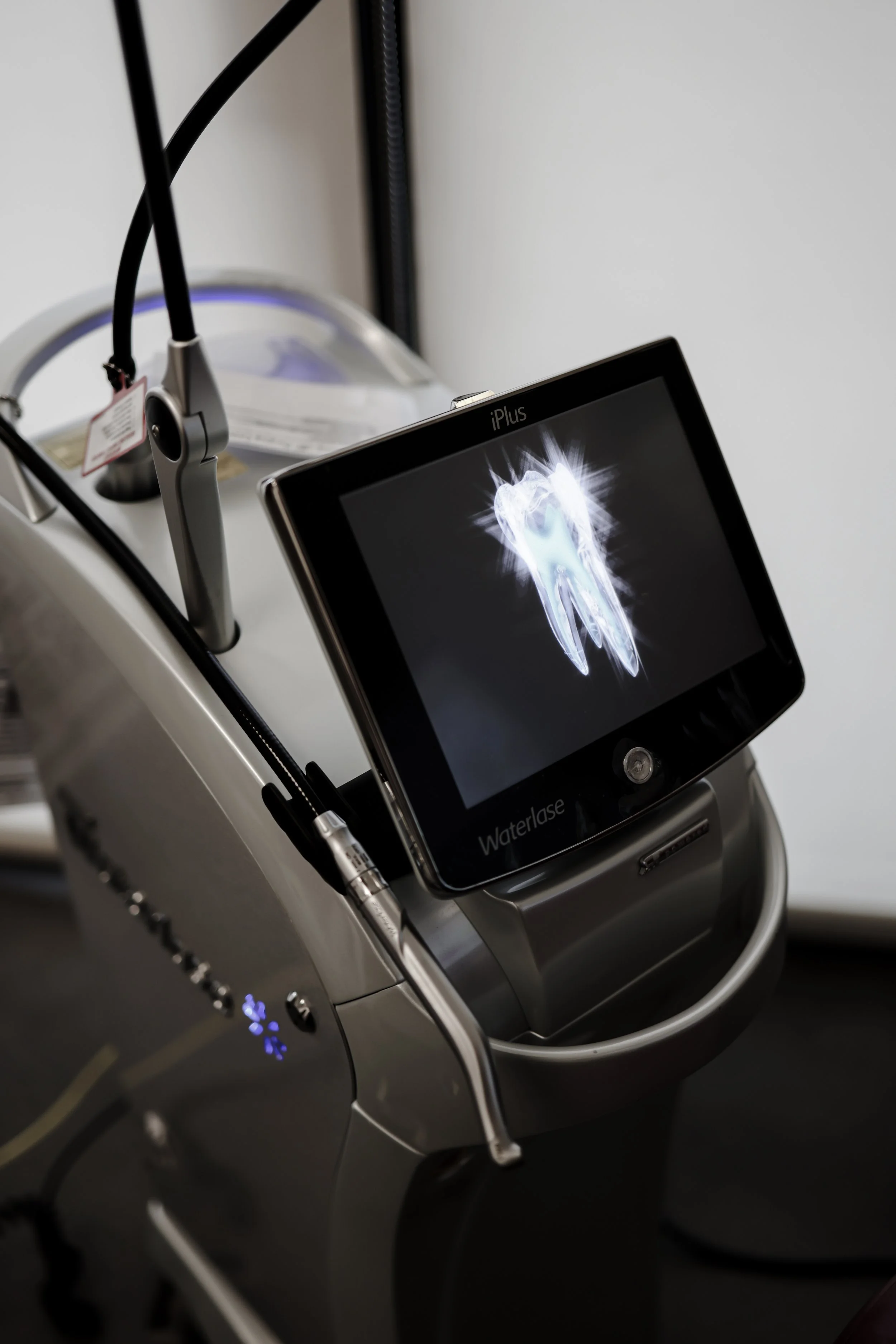
Dental lasers use focused light energy to treat specific areas of the mouth. For certain procedures, they may reduce vibration, pressure, bleeding, swelling, or discomfort compared with conventional techniques. They can also allow precise treatment of targeted tissue.
Laser dentistry and laughing gas serve different purposes: the laser may reduce some physical sensations, while nitrous oxide helps with anxiety and pain tolerance. When appropriate, using them together can make treatment more manageable. Not every procedure can be performed with a laser, and laser treatment is not guaranteed to be pain-free.
A small choice that makes a big difference: scented masks
At Sunrise Pediatric Dentistry, children can choose a scented nasal mask before treatment. Options include bubblegum, orange, strawberry, birthday cake, grape, French vanilla, and mint. We also offer an unscented option for children who are sensitive to fragrances.
Choosing a scent gives kids a simple way to participate in their visit. The fragrance is a feature of the mask; it does not change the nitrous oxide or its effects.
Are there side effects or reasons to avoid laughing gas?
Nitrous oxide is generally well tolerated, but nausea and vomiting can occur. Other possible reactions include dizziness, restlessness, unusual sleepiness, or changes in responsiveness. Our dental team observes children throughout treatment and can stop the gas and provide appropriate care if a reaction occurs.
Laughing gas may not be suitable for children with significant nasal congestion or certain medical conditions, including some conditions involving trapped gas, recent eye surgery involving an intraocular gas bubble, known vitamin B12 deficiency, or certain metabolic disorders. Other sedating medications and previous reactions to sedation also matter. Tell us about recent illnesses, surgeries, medications, and any past concerns so we can evaluate the safest approach.
What happens at the appointment?
Before treatment, we review your child’s health and prepare the equipment. Your child chooses a mask scent if they wish, then breathes normally through the nasal mask while the team adjusts the nitrous oxide–oxygen mixture and monitors their response.
If the treatment plan includes laser dentistry or local anesthesia, those may be used as needed. Once the procedure is finished, nitrous oxide is stopped and oxygen is administered as appropriate. We assess recovery and share any aftercare instructions before your child leaves.
How can parents help?
Explain the nose mask in simple, reassuring language: it helps children feel more relaxed while the dentist cares for their teeth. You can mention the fun scents, but avoid promising that treatment will be completely painless. Encourage your child to speak up if something feels uncomfortable, and follow any preparation instructions from our office.
Frequently asked questions
Does laughing gas put kids to sleep? No. When used alone for minimal sedation, children are expected to remain awake and responsive.
Can a 4-year-old use laughing gas? Possibly. Age alone does not determine suitability; the dentist considers health, cooperation, and ability to tolerate the nasal mask.
Will my child remember the visit? Usually, yes. Nitrous oxide is not intended to cause memory loss.
Can my child have laughing gas with a cold? Nasal congestion can make it difficult to deliver the gas. Tell the dental team if your child is sick.
Can my child return to normal activities afterward? Many children recover quickly after nitrous oxide alone, but always follow the discharge instructions, especially if other medications were used.
Helping little smiles feel at ease
Every child’s needs are different. At Sunrise Pediatric Dentistry, we combine compassionate care with thoughtful technology and kid-friendly choices to create a positive experience whenever possible. Have questions about laughing gas or laser dentistry? Contact our team to discuss your child’s treatment options or schedule an appointment.
Medical disclaimer: This article provides general parent education and does not replace individualized dental or medical advice. A qualified dental professional should determine whether nitrous oxide or laser dentis